


Advancing Low-Carbon Residential Architecture: A Comparative Analysis of Climatic Variability and Regulatory Frameworks in Energy Efficiency Optimization across Spain, the United Kingdom, and Iran
Residential buildings play a pivotal role in the global decarbonization pathway; however, their energy performance is strongly influenced by climatic conditions and regulatory frameworks. This project, focusing on Tehran, Barcelona, and London—representing semi-arid continental, Mediterranean, and temperate oceanic climates, respectively—seeks to advance low-carbon residential architecture through a comparative analysis. In this study, harmonized residential archetypes were defined, and parametric simulations were conducted to evaluate the performance of building envelopes (thermal transmittance, air infiltration rates, window-to-wall ratios), passive design strategies (orientation, shading, natural ventilation), and active systems (heat pumps, mechanical ventilation with heat recovery, and rooftop photovoltaic systems) .
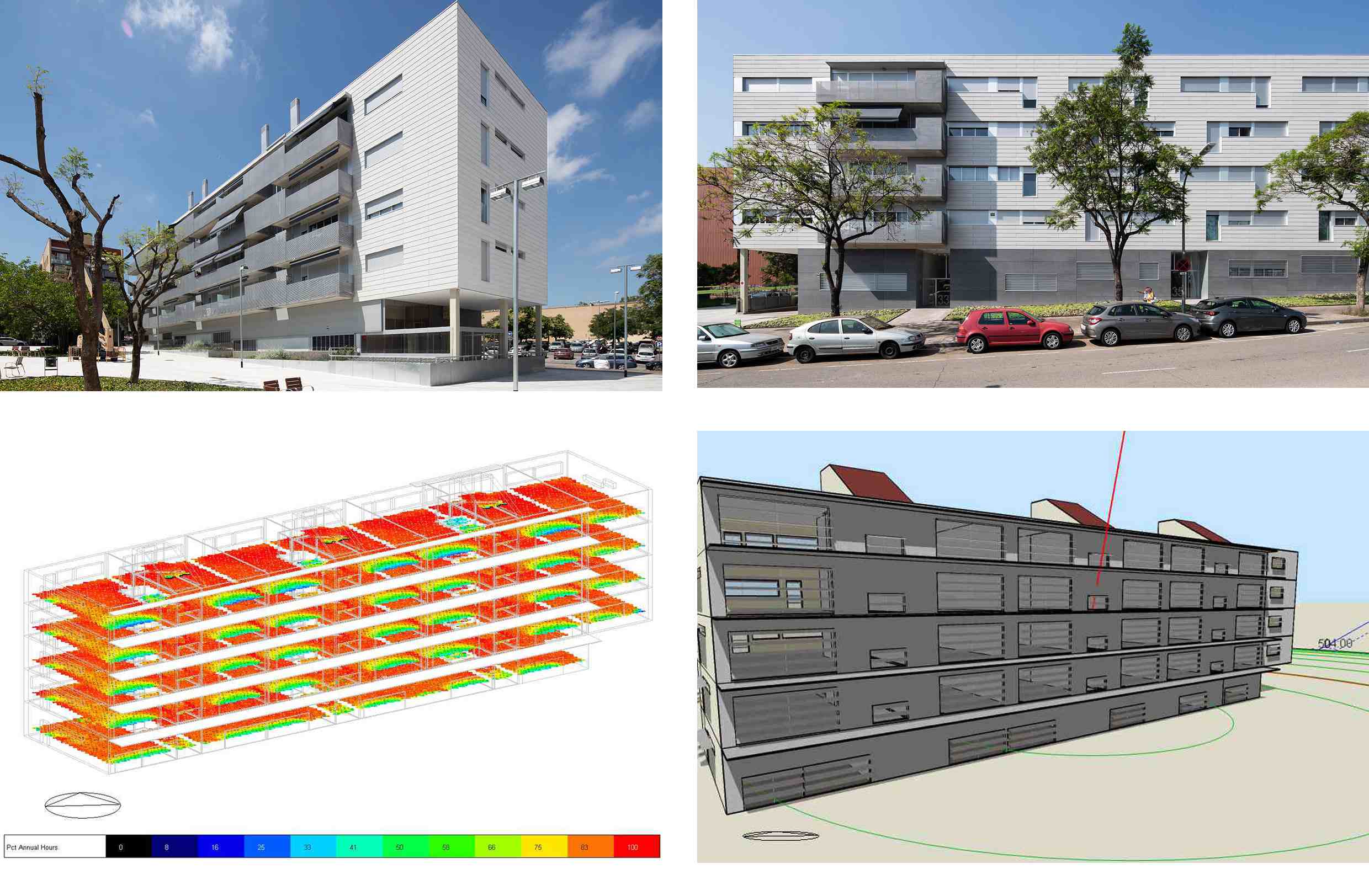
At the outset of the project, an energy audit of the Neinor residential building in Barcelona, which has been awarded the international green building certification (BREEAM), was carried out using energy simulations and field studies. Subsequently, optimization strategies for energy consumption were proposed with the aim of reducing the building’s carbon footprint, in a manner that not only enhances
environmental performance but also aligns with sustainability requirements and low-carbon development criteria.